Today
20
in History
26
January
February
March
April
May
June
July
August
September
October
November
December
01
Wed
02
Thu
03
Fri
04
Sat
05
Sun
06
Mon
07
Tue
08
Wed
09
Thu
10
Fri
11
Sat
12
Sun
13
Mon
14
Tue
15
Wed
16
Thu
17
Fri
18
Sat
19
Sun
20
Mon
21
Tue
22
Wed
23
Thu
24
Fri
25
Sat
26
Sun
27
Mon
28
Tue
29
Wed
30
Thu
...
04-09-1947
The Journey of Reconciliation—considered the first Freedom Ride—sets out from D.C.
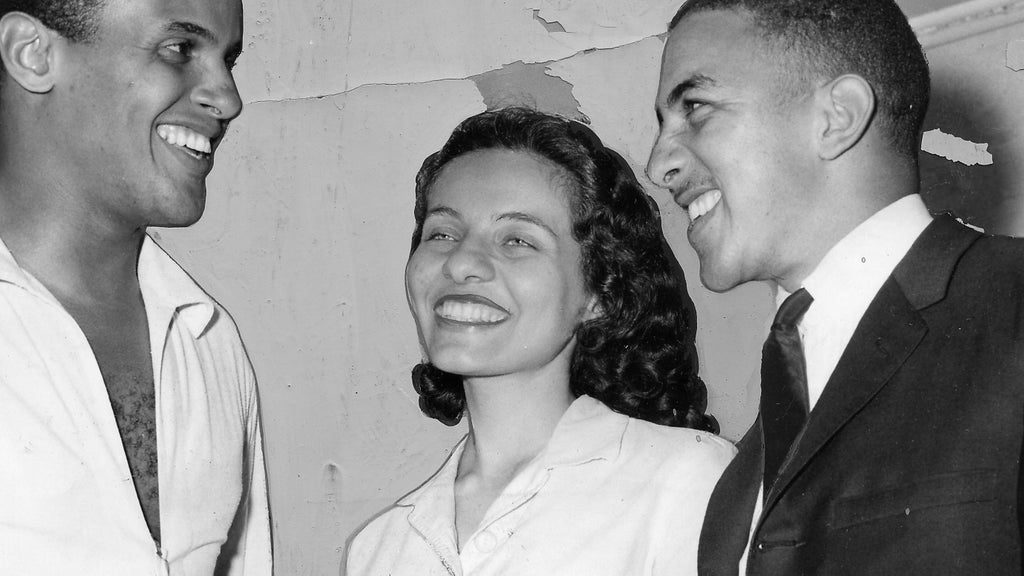
On April 9, 1947, the Congress of Racial Equality (CORE) sends 16 Black and white activists on a bus ride through the American South to test a recent Supreme Court decision striking down segregation on interstate bus travel. The so-called Journey of Reconciliation, which lasted two weeks, was an important precursor to the Freedom Rides of the 1960s.
In Morgan v. Virginia (1946), the Supreme Court ruled it was unconstitutional to enforce segregated seating on interstate buses. Shortly after, activist and WWII veteran Wilson A. Head put the ruling to a test and rode a Greyhound bus from Atlanta to Washington, D.C. relatively unscathed. After the success of his trip, CORE treasurer Bayard Rustin saw an opportunity to hold a larger, more confrontational demonstration to raise awareness of the ruling and challenge Jim Crow laws.
CORE and the Fellowship of Reconciliation sent 16 men, eight Black and eight white, on buses from Washington, D.C. with stops planned in Virginia, North Carolina, Tennessee and Kentucky. The goal of the trip was to test the enforcement of the Morgan decision and develop conflict resolution techniques should riders encounter violence or harassment on public transportation.
The group tried 26 different seating arrangements on various buses throughout their journey; members were arrested during six of those attempts. On the last leg of the trip in North Carolina before heading back to D.C., several riders, including Rustin, were arrested after being attacked by an angry mob. Rustin went on to become one of Martin Luther King, Jr.’s closest advisors and helped organize the 1963 March on Washington for Jobs and Freedom.
More news today
loading...